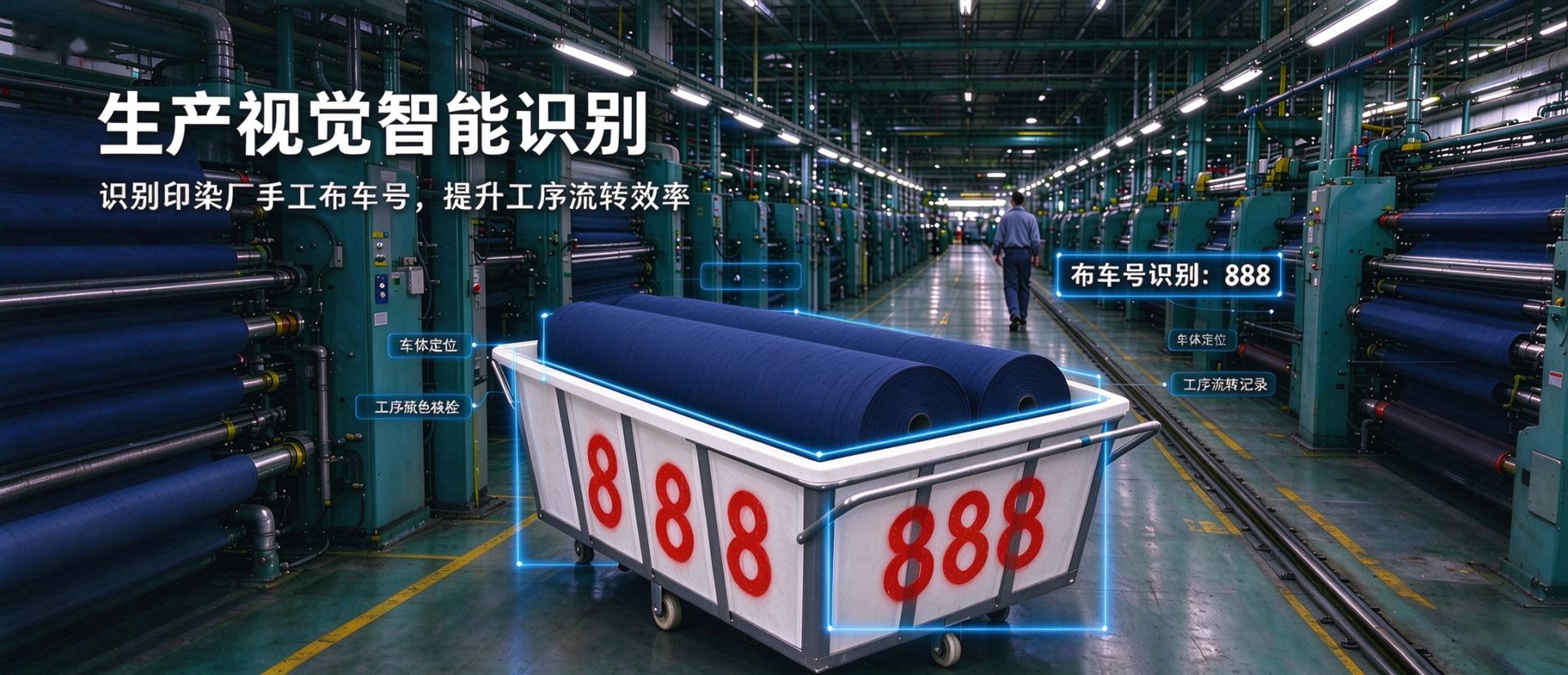
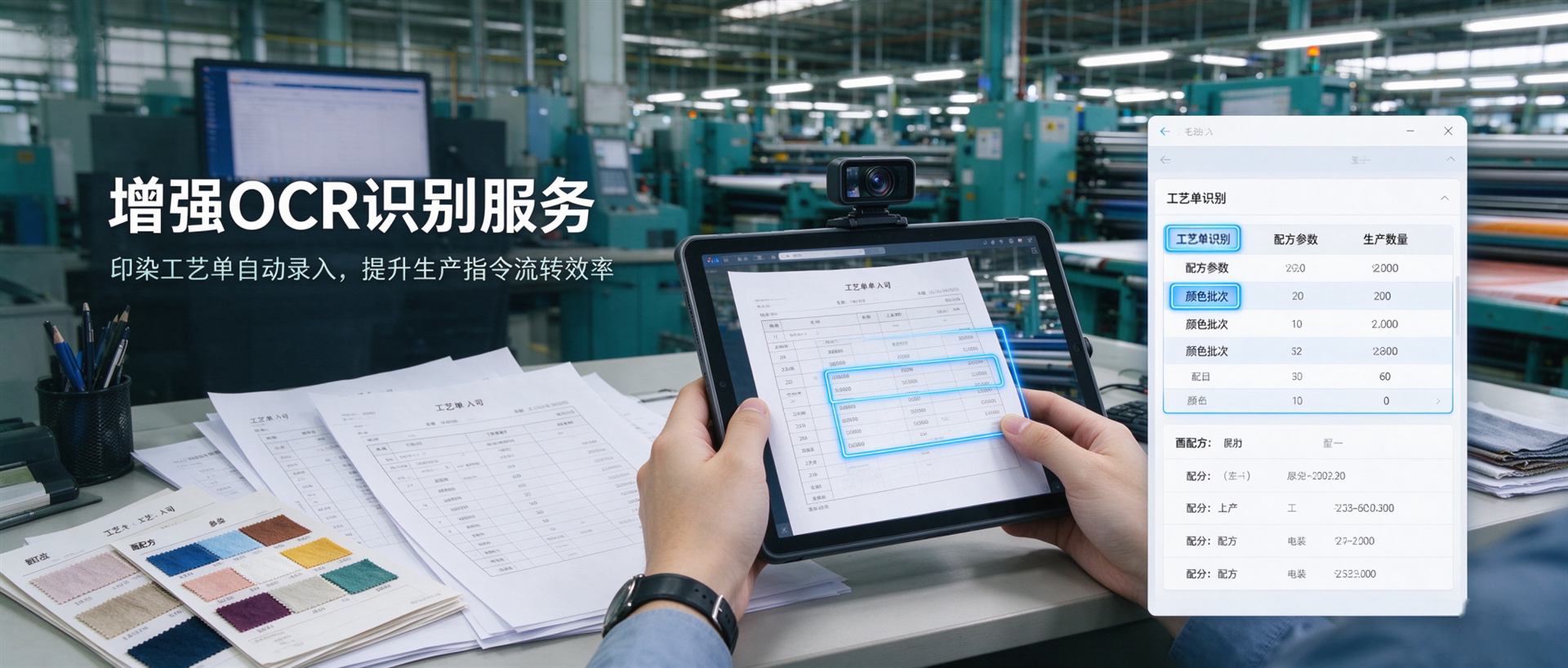
Full-width on-line automatic quality inspection of fabrics during weaving and printing & dyeing, effectively replacing traditional manual visual inspection. It solves manual fatigue and missed detection issues in production environments, covering yarn breakage detection, fabric defect detection and color difference detection.
Yarn breaks across these processes — missed breaks cascade into waste and quality loss.
Yarn floors needed 24/7 walking patrols — 15–18 machines and 288 points each, ~30,000 steps per shift — easy to miss breaks, waste material and hurt quality.
Patrol robots walk aisles with onboard cameras + pulsed laser, checking breaks, wrap and spindle faults — ~60 machines in 30 minutes, 24/7.

Issues spawn work orders automatically — operators fix by ticket, with higher efficiency and steadier quality.
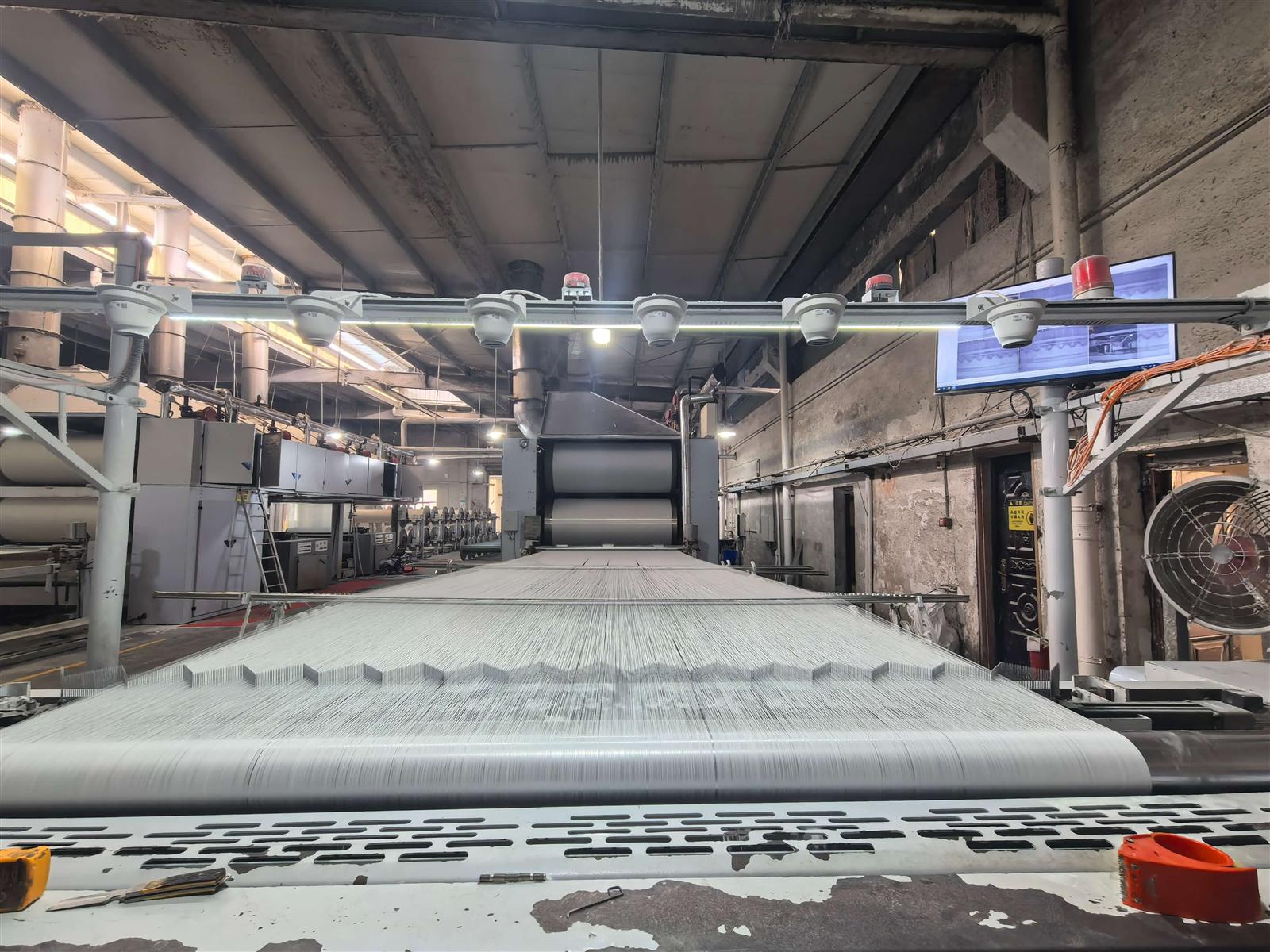
Sizing feeds weaving with huge warp sheet counts. Eye patrols tire fast and miss breaks — bad greige, waste and downstream disruption.
The on-line yarn break visual inspection system for sizing machines adopts industrial vision imaging technology. The camera continuously captures images of the moving full warp sheet, and intelligent algorithms analyze yarn conditions in real time to reliably detect common process defects such as yarn breakage, missing yarn, yarn doubling and yarn offset.
Full-width online QC in weaving and dyeing replaces tired eye checks — upgrading from after-the-fact sampling to full-flow prevention.
Textile printing is a systematic process subject to many influencing factors. Defects are the obvious surface imperfections of printed textiles and visible to end customers. Hence, improving printing quality and qualified product rate is critical for printing manufacturers. Effectively cutting the defect rate can reduce product rework. Printing factories need manual repair for defective printed fabrics. Complex patterns on the fabric result in slow mending speed. Repairing large defective areas is quite difficult, which consumes substantial time and labor and brings high costs.
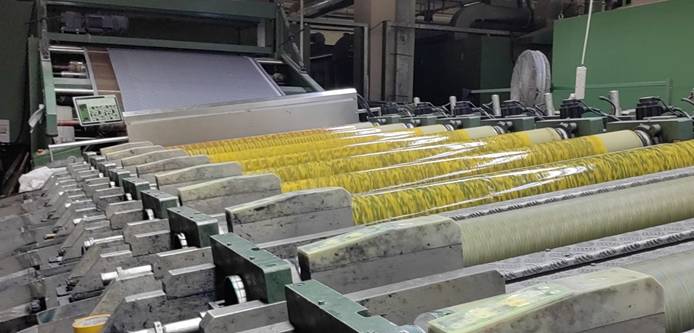
Online early warning for various recurring defects;
Filter fabrics with complex base textures, such as linen, linen-cotton, linen-viscose and other fabrics with complex weave structures, featuring low false positive rate;
Filter irregular boundaries of complex patterns with low false positive rate;
Easy operation. When switching patterns for common fabric types, automatic sampling and comparison can be performed without manual intervention;
Single sampling is enough for standard products. Comparison can start once the pattern sample is confirmed;
For linen fabrics, background texture recognition needs to be enabled to filter nodes of linen fiber texture;
Comparison accuracy adjustment mainly controls defect size sensitivity and color difference sensitivity. For regular patterns, the sensitivity settings are generally consistent and usually remain unchanged. Color difference sensitivity needs configuration for special sensitive colors.
The AI vision system adopts line-scan imaging and deep learning algorithms to accurately identify a variety of complex defects. Common defects especially in the setting process include:
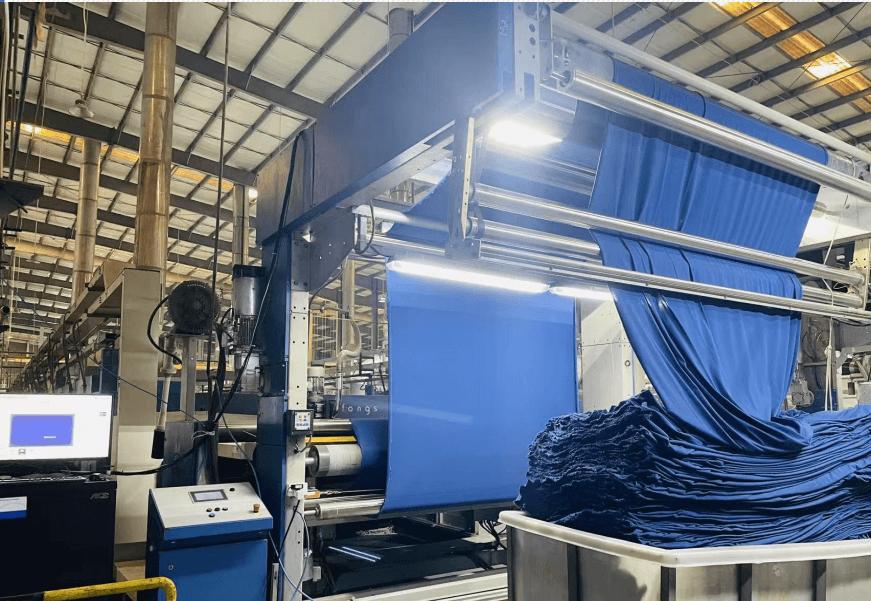
More than a detector — a data core for production optimization:
Colorimeters auto-read LAB for lot/vat shade control and digital retain samples.
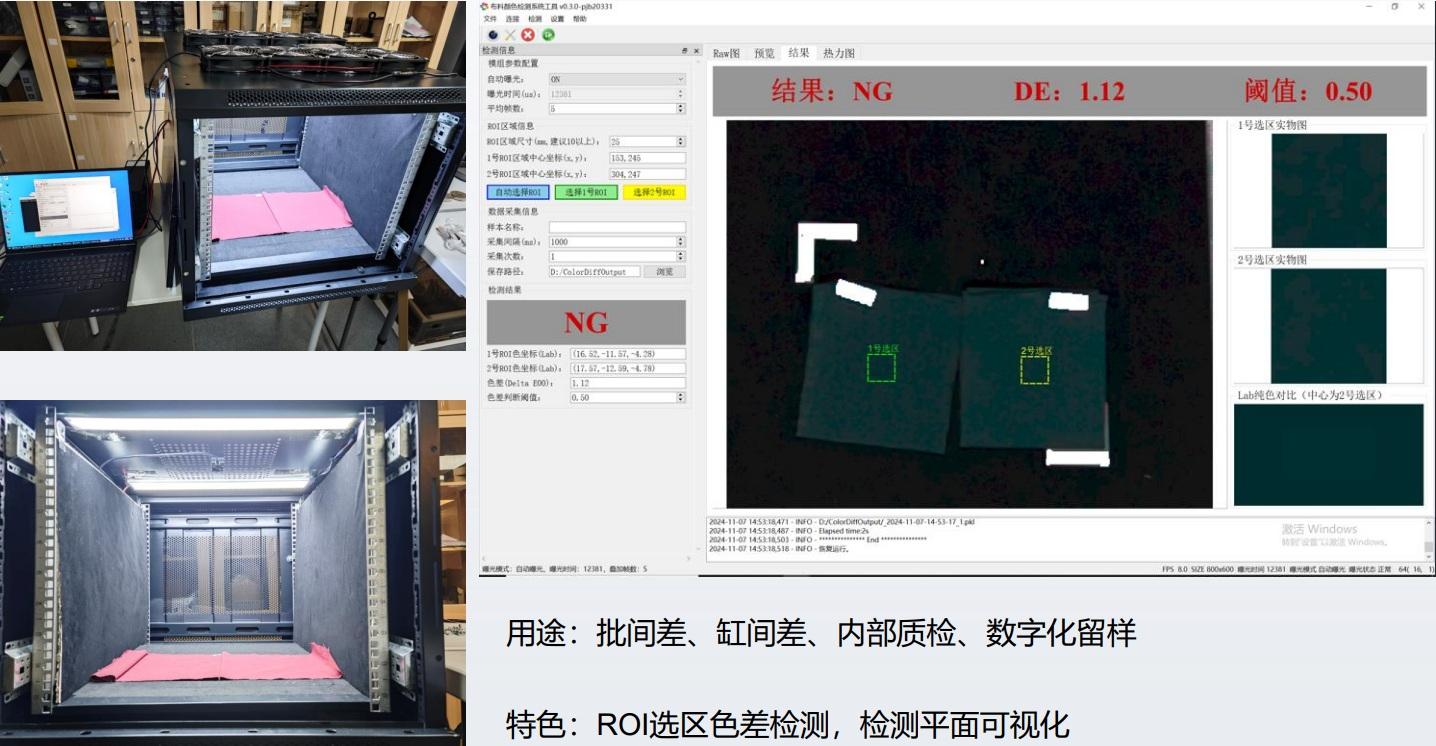
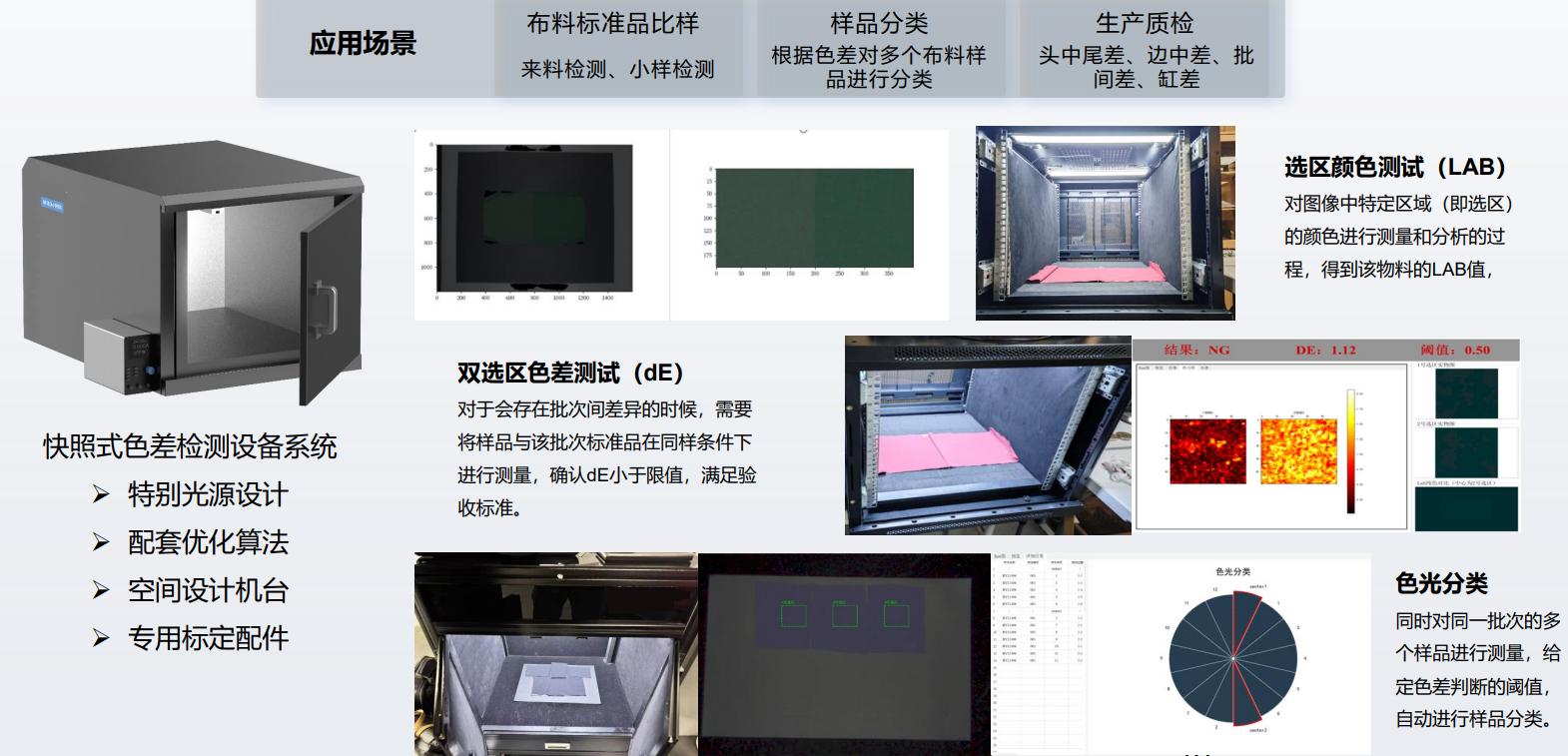
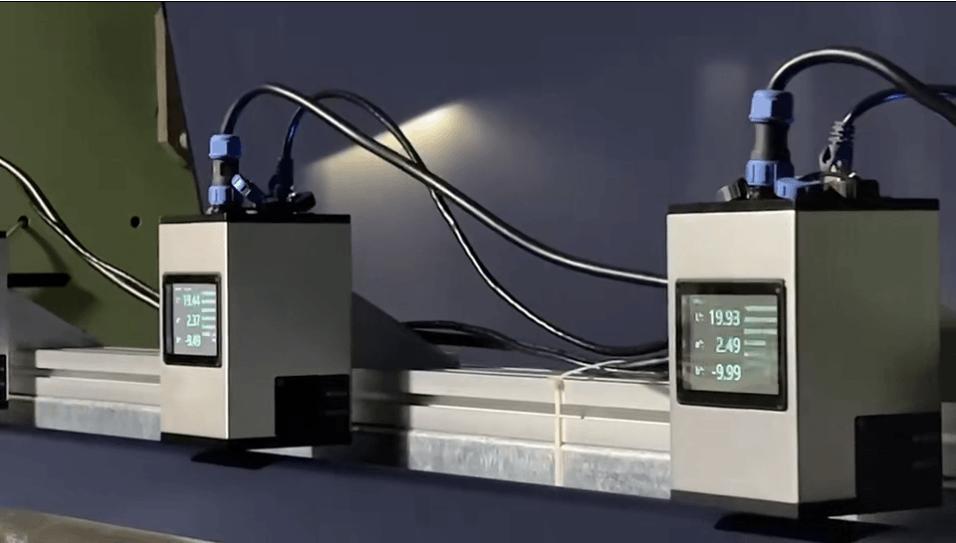
Book a free on-site survey and get a tailored vision plan.
 Scan for business WeChat
(+86) 180 5879 0950